
Gates of olympus: start winning more right now!
Home → Strategy
Gate of Olympus Strategy
Approaching Gate of Olympus sensibly
Gate of Olympus by Pragmatic Play features a theoretical return to player rate of 96.50%. This percentage represents the long-term average payout over hundreds of thousands of spins, contrasting with operator-configurable versions at 95.51% or 94.50%. Players must verify the specific RTP on their casino platform before depositing funds.
The game utilizes a 6x5 grid layout with pay-anywhere cluster wins rather than traditional paylines. High volatility means payouts are infrequent but potentially large, reaching up to 5000x the stake. This structure requires patience compared to lower volatility titles that offer smaller, more regular wins.
Tumbling reels replace static stops, allowing consecutive wins from a single spin when new symbols drop into empty spaces. Random multipliers up to 500x can appear on winning symbols during base play. These mechanics increase variance significantly compared to simpler slot formats.
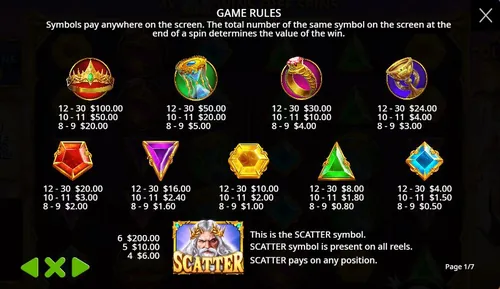
Bankroll rules that hold up
A solid bankroll for high-stakes play on Gate of Olympus should cover at least 500 bets at the maximum stake. With a max bet of 100 €, this initial reserve totals 50,000 € to withstand potential dry spells. Such capital preserves the session against the built-in house edge of 3.50%.
Flat betting maintains a constant stake size throughout the gaming session without variation. This strategy prevents rapid depletion during losing streaks common in high volatility games. Progressive staking after losses only shortens time to ruin without altering the mathematical advantage.
Bonus terms often include a 300% welcome bonus up to 2,000 € plus 100 free spins. Wagering requirements typically demand significant turnover before withdrawing winnings derived from such offers. Players must calculate the required volume carefully to ensure the bonus value remains positive.
Bet sizing against volatility
High volatility demands larger stakes per spin to trigger meaningful feature activations in Gate of Olympus. The maximum win cap sits at 5000x, requiring substantial wagering power to approach this ceiling efficiently. Small bets rarely accumulate enough multiplier value for significant returns in this specific title.
Comparing this to Big Bass Splash reveals distinct strategic differences despite similar max win potential. Big Bass Splash operates on a 5x3 grid with a slightly higher RTP of 96.71% and high volatility. Gate of Olympus requires managing the 96.50% RTP expectation across its unique tumbling reel mechanic.
Random multipliers up to 500x per symbol can drastically alter the outcome of any single spin. These multipliers apply directly to the cluster win total before tumbling continues. Betting strategies must account for this unpredictability rather than relying on steady progression systems.
Session limits worth setting
Setting a strict loss limit protects the bankroll from the inevitable downswings of high volatility slots. A daily cap prevents chasing losses which mathematically guarantees eventual ruin over time. Discipline is essential when playing a game with no cash-out button like Gate of Olympus.
Time limits complement financial boundaries by preventing fatigue-induced decision errors during long sessions. Extended play increases exposure to the 3.50% house edge inherent in the 96.50% RTP configuration. Taking breaks helps maintain focus on responsible gambling principles.
Free spins rounds with accumulating multipliers extend gameplay duration beyond standard base game expectations. These features can last several minutes if multiple scatters land consecutively. Players should define exit points before entering these volatile bonus phases.
Why chasing losses fails
Chasing losses involves increasing bet sizes after defeats to recover previous money quickly. This approach ignores the independence of each spin in a random number generator based slot. No betting system can overcome the fixed house edge present in every game round.
The 5000x max win potential tempts players to escalate stakes during losing periods. However, probability dictates that future outcomes remain unaffected by past results in Gate of Olympus. Increasing wagers only accelerates the depletion of the available bankroll.
Mathematical expectation remains negative regardless of stake adjustments made during a losing streak. Even with random multipliers up to 500x, the long-term return stays anchored at 96.50%. Sustainable play requires accepting variance rather than attempting to manipulate it through aggressive staking.
Gate of Olympus: key facts
| Parameter | Value |
|---|---|
| Game | Gate of Olympus |
| Studio | Pragmatic Play |
| Released | 2021 |
| RTP | 96.50% |
| House edge | 3.50% |
| Volatility | high |
| Max win | 5000x |
| Reels | 6x5 grid |
Common systems and their limits
The maximum win of 5000x in Gate of Olympus defines the absolute ceiling for any betting progression, capping the potential payout regardless of stake size. High volatility ensures that such a peak requires accumulating multipliers up to 500x during free spins rather than frequent small wins. A high roller relying on progressive staking faces the hard limit that no sequence of bets can exceed this fixed mathematical cap.
The pay-anywhere cluster mechanic in the 6x5 grid removes traditional payline restrictions, allowing symbols to win anywhere on the reels simultaneously. This structure supports larger stakes because wins depend on density rather than specific line alignments, accommodating bankrolls that require higher variance exposure. The tumbling reels feature further extends these opportunities by replacing winning symbols with new ones until no new clusters form.
In contrast to The Dog House Megaways which offers a max win of 12305x across its variable row structure, Gate of Olympus maintains a strict 5000x limit. The lower ceiling forces players to accept smaller relative returns despite the high volatility setting provided by Pragmatic Play. This distinction means that chasing massive payouts through system betting yields diminishing returns compared to games with higher caps.
Flat betting explained
Flat betting involves maintaining a constant stake per round throughout the session, ignoring previous outcomes or current streaks in the game. For Gate of Olympus with an RTP of 96.50%, this approach stabilizes the rate of loss over hundreds of thousands of spins as intended by the theoretical model. Players using this method avoid the rapid bankroll depletion associated with increasing wagers after losses.
The house edge of 3.50% applies equally to every spin regardless of the stake amount when using flat betting strategies consistently. A player wagering 100 € per spin on average will lose 3.50 € per spin in the long run, independent of short-term variance. This predictability allows high rollers to manage their bankroll more effectively without risking ruin from erratic betting patterns.
Unlike progressive systems that alter bet sizes based on results, flat betting does not change the built-in edge or improve winning probability. The random multipliers up to 500x appear independently of the stake level, meaning larger bets only scale the monetary value of wins linearly. This consistency aligns with the theoretical return expectations set by the developer Pragmatic Play for this slot title.
Progressive staking risks
Progressive staking involves raising stakes after losses in an attempt to recover deficits, which mathematically accelerates the time to ruin for any player. In Gate of Olympus with high volatility, extended losing streaks are common due to the 96.50% RTP and the nature of cluster wins. Increasing bets during these dry spells depletes the bankroll faster than flat betting would under identical conditions.
The maximum win cap of 5000x remains unchanged by stake size, meaning that even aggressive betting cannot overcome the statistical disadvantage of the house edge. A player attempting to double down on losses faces the reality that the tumbling reels do not guarantee recovery of prior wagers. This risk is compounded by the operator-configurable RTP variations which may lower the return to 94.50% or 95.51%.
The Dog House Megaways features very high volatility similar to Gate of Olympus but allows for a higher max win of 12305x across its 6 reels. While both games share high variance, progressive staking fails to exploit the higher cap in Megaways just as it fails here. The fundamental flaw lies in believing that stake adjustments can alter the underlying probability distribution defined by the slot mechanics.
What the maths actually allows
The theoretical RTP of 96.50% represents the average return over millions of spins, establishing a house edge of exactly 3.50% for all players. This figure indicates that for every 100 € wagered, the game returns 96.50 € to players in the long term across all possible outcomes. Operators may configure lower RTPs such as 95.51% or 94.50%, directly increasing the cost of play for those sessions.
High volatility in Gate of Olympus means that wins are infrequent but potentially large, driven by the tumbling reels and random multipliers up to 500x. This structure requires a substantial bankroll to withstand periods without wins while waiting for the free spins bonus with accumulating multipliers. The 6x5 grid layout facilitates these cluster wins but does not influence the underlying mathematical expectancy of each spin.
The maximum win of 5000x sets a hard limit on the payout, contrasting with titles like The Dog House Megaways which offers 12305x across its variable rows. This cap restricts the upside potential for high rollers who might otherwise chase larger jackpots found in other Pragmatic Play slots. Understanding this limit helps players align their expectations with the actual mathematical boundaries defined by the game design.
Reading variance honestly
High volatility in Gate of Olympus dictates that most spins result in no win, requiring patience to trigger the tumbling reels and subsequent bonus features. The random multipliers up to 500x provide occasional spikes in value, but these events are statistically rare within the 6x5 grid structure. Players must accept that extended dry spells are a normal part of experiencing the 96.50% RTP over time.
The pay-anywhere cluster mechanic introduces variance based on symbol density rather than line matches, creating unpredictable win frequencies across the reels. This differs from traditional slots but maintains the same high volatility profile established by Pragmatic Play for this title. High rollers should monitor their bankroll closely as the lack of frequent small wins can lead to rapid depletion if stakes are too high.
Comparing this to The Dog House Megaways with its very high volatility and 12305x max win highlights the different risk-reward profiles available. Gate of Olympus offers a lower ceiling of 5000x but retains the same high variance characteristic through its multiplier features. Honest assessment of variance requires acknowledging that neither game guarantees short-term profitability despite their engaging mechanics.
Learning the game in demo first
Pragmatic Play released Gate of Olympus in 2021 as a high volatility slot featuring a 6x5 grid layout. This configuration differs significantly from the 5x5 reels found in Zeus vs Hades, requiring players to adapt to its pay-anywhere cluster wins rather than traditional paylines. Understanding these mechanics is essential before committing real funds to the platform.
The theoretical return to player (RTP) stands at 96.50%, which represents the house edge of 3.50% over an extended period. Operator-configurable versions may drop this figure to 95.51% or 94.50%, meaning the actual payout percentage varies by casino. Players must verify the specific RTP version active on their chosen site before starting any session.
Demo modes allow users to test the tumbling reels feature without risking bankroll capital. This free play environment highlights how random multipliers up to 500x per symbol can trigger during base gameplay. Such exposure helps players grasp the frequency of these events relative to the stated high volatility profile.
Adjusting stakes to your budget
Flat betting requires maintaining the same stake every round to manage the maximum win cap of 5000x effectively. This approach prevents rapid depletion of the bankroll during losing streaks common in high volatility slots like Gate of Olympus. Progressive staking strategies only shorten the time to ruin and do not alter the built-in mathematical edge.
Zeus vs Hades offers a higher max win potential of 15000x with its own high volatility setting. However, Gate of Olympus restricts payouts to 5000x, necessitating different stake sizing for comparable risk exposure. Higher bets accelerate the impact of the 3.50% house edge if the player does not encounter frequent multiplier triggers.
Calculating the cost per spin involves multiplying the selected bet size by the expected number of spins per hour. For instance, a 2 € stake over 500 spins results in a 1000 € turnover against the 96.50% RTP baseline. This calculation provides a clear view of the expected loss rate independent of short-term variance.
Recognising a bad session
The 3.50% house edge ensures that long-term returns will converge toward the 96.50% theoretical RTP figure. A significant deviation below this threshold indicates negative variance typical of high volatility games such as Gate of Olympus. Players should monitor their balance relative to the initial deposit to identify when luck runs dry.
Zeus vs Hades shares a similar high volatility classification but targets a much larger 15000x maximum win ceiling. This difference means losing sequences in Gate of Olympus may feel prolonged due to the lower payout cap. Recognizing this structural limitation helps prevent chasing losses in pursuit of unrealistic jackpot scenarios.
Bankroll management dictates stopping play when the remaining funds fall below a predefined safety margin. If the account drops by more than 50% within the first hour, the session likely exceeded sustainable loss limits. Resetting the stake or ending the session preserves capital for future attempts under better conditions.
Stopping while ahead
The maximum win cap of 5000x defines the absolute upper limit for any single session outcome in Gate of Olympus. Securing profits before hitting this ceiling ensures the realized return aligns closely with the 96.50% RTP expectation. Greed often leads players to reinvest winnings into further spins, exposing them to the inevitable house edge.
Free spins with accumulating multipliers offer a distinct advantage over the base game's random multiplier mechanic. Exiting after a successful free spins round locks in the accumulated value without risking it on subsequent base game spins. This strategy mitigates the risk of reversing gains caused by the high volatility nature of the slot.
Comparing Gate of Olympus to Zeus vs Hades reveals a lower top payout but potentially more consistent mid-tier wins. Setting a profit target based on a multiple of the initial bankroll allows for disciplined exit points. Withdrawal requests should be processed immediately after reaching these predetermined financial goals.
Responsible play in practice
A 300% welcome bonus up to 2,000 € plus 100 free spins attracts new registrations but introduces complex wagering requirements. These terms often require substantial turnover before any bonus-derived funds become withdrawable cash. High volatility slots like Gate of Olympus are particularly risky for clearing such bonuses due to their unpredictable payout structure.
The 96.50% RTP applies to the theoretical long run across hundreds of thousands of spins, not individual sessions. Players must understand that short-term results will vary wildly around this average due to the game's high volatility. Accepting this statistical reality prevents emotional decision-making during inevitable losing streaks.
Zeus vs Hades presents a different risk profile with its 15000x max win and 96.07% RTP figure. Switching between titles with varying RTPs and volatility levels complicates overall bankroll tracking and responsible gaming metrics. Maintaining a strict log of deposits and withdrawals ensures transparency regardless of the specific Pragmatic Play title being played.
DemoRTP & VolatilitySymbols & PayoutsBonus FeaturesStrategyBonusesMobileDownload & AppMax WinSimilar GamesReviewFAQSitemap
Gates of olympus 2025